
Packaging Machine Knives: Common Types, Materials and Custom Options
Packaging machine knives look simple until they start causing problems on the line. A worn or poorly matched blade can tear film, leave white edges on laminated material, make perforations unstable, or force operators to stop the machine for adjustment. In food packaging, the knife also has to work around sealing temperature, film structure, tray shape, hygiene cleaning and machine speed. That is why packaging knives should be selected by application, not only by outside size.
LIJIAN manufactures packaging machine knives and custom blades for flexible packaging, tray sealing, thermoforming packs, bag production and slitting applications. Our practical view is this: a good packaging blade is not only sharp. It should be repeatable, easy to install, stable at speed, and matched to the material being cut. If a blade only cuts well for the first shift and then starts pulling film, it is not the right solution for a production line.
Common Packaging Knife Applications
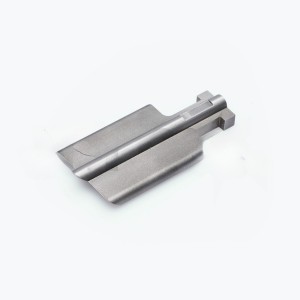
Packaging lines use different knife types depending on the material, motion and machine layout. Film cutting requires a clean edge with low tearing. Bag-making machines may use straight knives, serrated knives, punches or shaped blades. Tray sealing and thermoforming systems often need profile knives, cross knives or cutting tools that match the pack layout.
For buyers, the application should be described clearly before quotation. A general request for a packaging blade is too broad. A blade for pouch film is different from a tray sealing blade, and a circular slitter blade is different from a bag handle punch.
Main Types Of Packaging Machine Knives
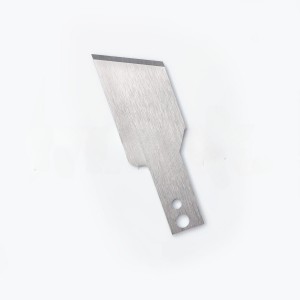
- Straight knives: used for clean cross cutting, trimming and separating packaging material.
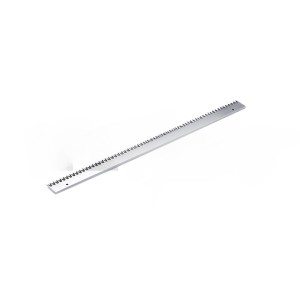
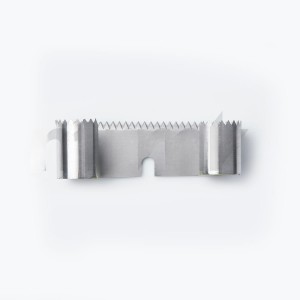
- Serrated knives: used when the material needs more bite, especially on certain films or laminated structures.
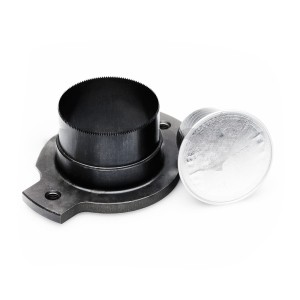
- Circular slitter blades: used for continuous slitting, film rolls, labels and converting work.
- Punch knives: used for holes, handles, vents, tear notches and shaped cuts.
- Tray sealing knives: used around trays where edge accuracy and sealing layout are important.
- Thermoforming cutting knives: used in vacuum packaging and forming lines where the tool shape must match the pack design.
Material Choice Depends On Film, Speed And Cleaning
Packaging materials vary widely. Some films are soft and stretch easily. Some laminated materials are abrasive. Some food packaging lines work with moisture, grease or cleaning chemicals nearby. The blade material should be selected with these conditions in mind.
Stainless steel is often used where corrosion resistance or food packaging hygiene is important. Tool steel can be suitable where wear resistance and edge stability are the priority. Coatings may help reduce sticking, friction or residue build-up, but they should be chosen for a real production problem rather than added as a decoration.
Why Edge Design Matters
Two blades made from the same steel can perform very differently if the edge design is different. Edge angle, tooth form, bevel direction and surface finish all affect cutting. A very aggressive edge may cut well at first but wear quickly. A stronger edge may last longer but require more cutting force. For high-speed packaging lines, consistency is often more valuable than an extremely delicate edge.
If a factory sees film tearing, rough edges or frequent adjustment, the issue may come from the edge geometry, not only from the steel grade. This is one reason we ask about the material being cut and the problem on the line before recommending a replacement packaging knife.
Specification Details Buyers Should Confirm
Packaging machine knives are often ordered from a drawing or used sample. Before production, these details should be confirmed as early as possible:
| Item To Confirm | Why It Matters On The Line |
|---|---|
| Blade thickness and flatness | Affects installation, pressure and cutting stability. |
| Hole position and slot width | Prevents mounting trouble and blade movement after installation. |
| Edge angle and bevel direction | Influences cutting force, film pulling and edge life. |
| Tooth pitch or serration style | Important for laminated film, bag cutting and perforation quality. |
| Steel grade or stainless requirement | Balances wear resistance, corrosion resistance and food packaging hygiene. |
| Machine brand and model | Helps match holder design, blade movement and replacement reference. |
Typical Problems On Packaging Lines
- Film tearing instead of clean cutting: check edge sharpness, tooth form, blade pressure and film tension.
- Rough or white edges on laminated film: the edge may be too worn, too aggressive or not matched to the film structure.
- Adhesive or product residue on the blade: surface finish, coating and cleaning interval should be reviewed.
- Short blade life on high-speed lines: material hardness, edge strength and machine alignment should be checked together.
- Wrong hole position causing installation trouble: drawings or samples should be confirmed before repeat orders.
- Unstable perforation or punching result: punch geometry, clearance and holder condition may be the real cause.
When these problems appear, replacing the blade with the same design may solve the issue temporarily. But if the problem repeats, it is worth reviewing material, edge style, cutting pressure and machine alignment together. This is where a packaging knives supplier should offer more than a price.
How LIJIAN Works With Custom Packaging Blades
LIJIAN can produce packaging knives from drawings, samples or original blade references. For custom work, we pay close attention to hole accuracy, flatness and edge consistency, because these details affect installation and cutting stability more than many buyers expect.
A practical quotation normally needs a drawing, blade photos, machine model, material type and a short note about the current issue. If the line is cutting film, tell us whether the material is PE, PP, laminated film, shrink film or another structure. If the knife is used on a tray sealer or thermoforming machine, pack size and tool layout are also useful.
Related Packaging Knife Categories
If you are comparing blade types, these pages may be useful: packaging machine knives, tray sealing machine knives, thermoforming machine knives, circular knives and slitter blades, MULTIVAC compatible knives and VC999 compatible knives.
FAQ
Can LIJIAN make packaging knives from a drawing?
Yes. Drawings are the best reference for custom packaging knives. If tolerances, material or heat treatment are not shown, our team may ask follow-up questions before production.
What causes packaging film to tear during cutting?
Common causes include a worn edge, wrong tooth form, unsuitable edge angle, poor blade alignment, incorrect pressure or a film structure that needs a different blade design.
Are coated packaging blades always better?
No. Coatings can help in some applications, especially where sticking or friction is a problem. But the base material, edge geometry and machine fit still matter most.
Can one blade design be used for different packaging machines?
Sometimes, but it should not be assumed. Hole pattern, blade movement, tool holder design and material path may be different even when the blade looks similar.
What information should I send before ordering replacement packaging knives?
Send the old blade photos, drawing if available, machine brand and model, material being cut, required quantity and the current cutting problem. This helps avoid quoting a blade that fits on paper but does not solve the line problem.