
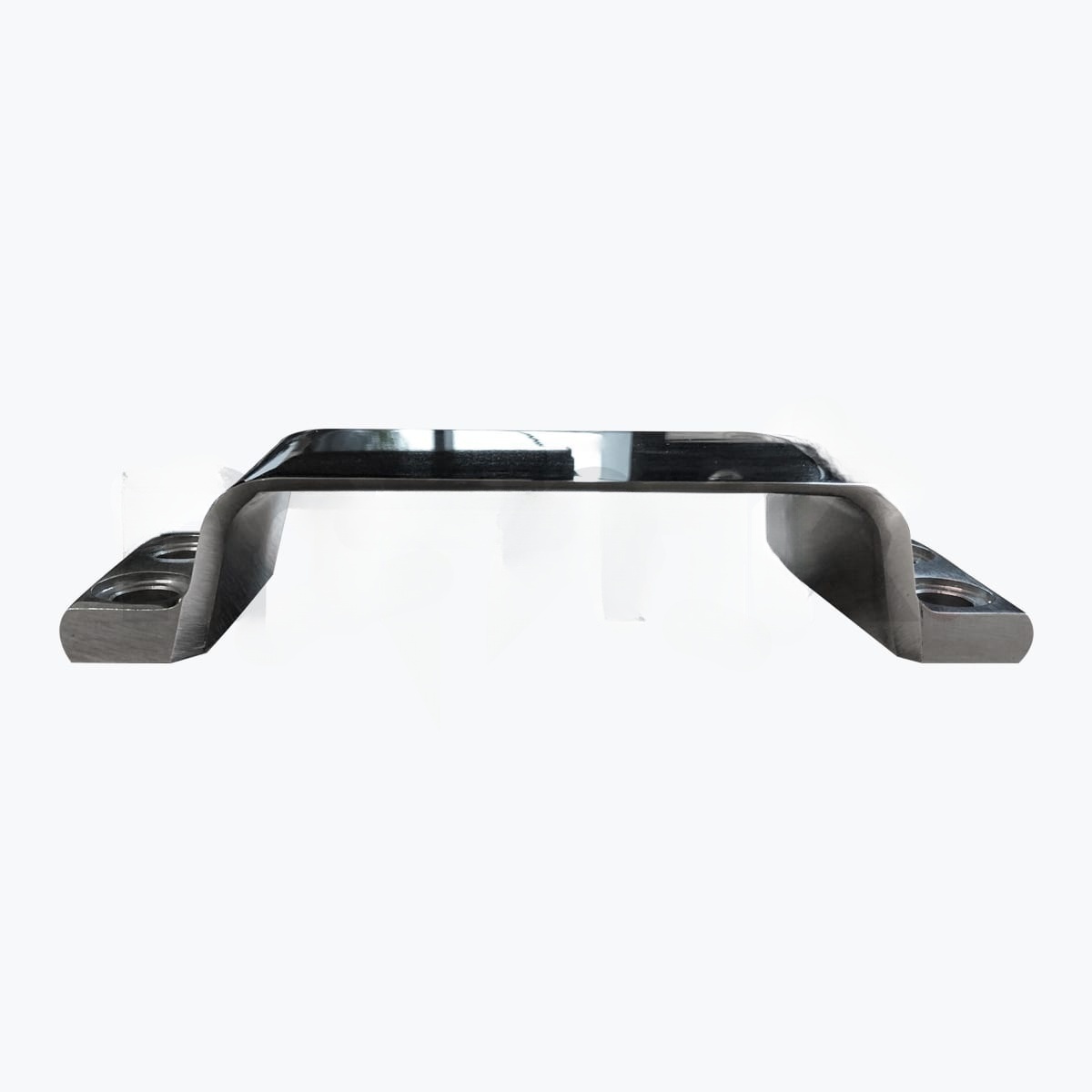
Frozen Meat Flaker & Block Cutter Blades for Food Machines
Cutting a frozen block is an impact-loaded job, not simply a sharper version of fresh-food slicing. Product temperature, block shape, feed method and the way the blade is supported all influence edge life and cut quality. LIJIAN supplies frozen meat flaker blades and frozen block cutter knives for replacement and custom food-processing applications.
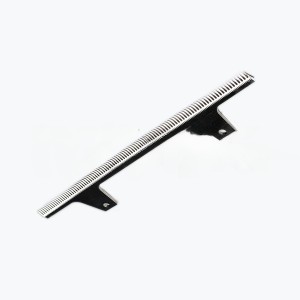
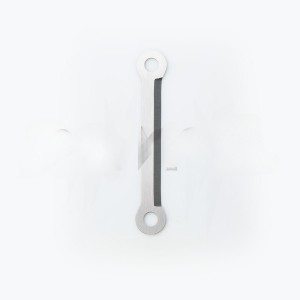
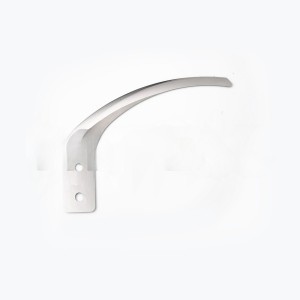
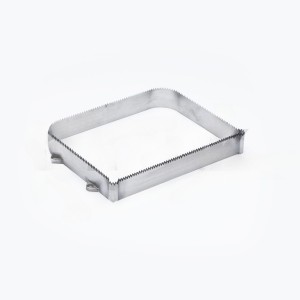
We do not treat every flaker or frozen cutter as the same machine. Some systems use a rotating cutting drum to produce flakes or thin pieces. Others use vertically driven guillotine knives, cross-blade heads or a staged pre-cutting arrangement. A reliable replacement therefore starts with the machine and the complete blade geometry.
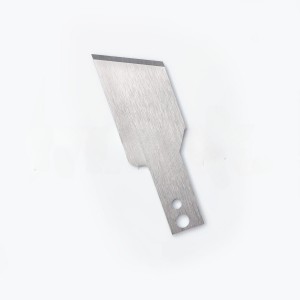
Flaker Blades and Frozen Block Cutter Knives
Frozen meat pre-cutting is commonly used before grinding, mincing, bowl cutting, mixing or further portioning. Reducing a hard block into controlled pieces helps the next machine receive a more manageable and consistent feed. The required result may be flakes, slices, strips or smaller chunks, depending on the cutter design.
Typical enquiries include:
- Rotary flaker knives for frozen or temperature-controlled meat blocks.
- Guillotine blades and cross knives for frozen block pre-cutters.
- Replacement blades for meat, poultry, fish and other frozen food processing.
- Custom knife-head components made from a drawing or used sample.
Information Needed for Replacement Matching
| Information | Why it matters |
|---|---|
| Machine manufacturer and model | Identifies whether the system is rotary, guillotine or another cutting arrangement. |
| Part number, drawing or used sample | Provides the most reliable reference for blade geometry. |
| Blade-head arrangement and blade quantity | Confirms how the knife works with the other parts of the cutting set. |
| Length, width, thickness and hole positions | Controls installation, support and operating clearance. |
| Bevel, edge position and cutting direction | Prevents a visually similar blade from being installed incorrectly. |
| Food product and core temperature | Helps assess impact load, toughness and edge requirements. |
| Required flake or piece thickness | Connects the blade specification to the actual production result. |
Material and Edge Decisions for Frozen Food
For frozen-product cutting, maximum hardness is not automatically the best choice. A hard edge can resist wear, but an edge that is too brittle for the impact and support conditions may chip or crack. Toughness, corrosion resistance, heat treatment and edge geometry need to be balanced around the real machine.
Our practical view is to begin with the failure pattern of the current knife. Smooth wear, rolled edges, local chipping and a fracture through a mounting area point to different causes. Changing steel alone will not correct loose mounting, blade-head interference, poor block holding or an unsuitable product temperature.
Common Problems to Check
- Irregular flakes or chunks: inspect edge wear, feed stability, blade spacing and product temperature.
- Edge chipping: check impact load, hard inclusions, insufficient blade support and contact with mating parts.
- Blade cracking: inspect mounting stress, hole condition, over-tightening, material toughness and repeated grinding history.
- Lower throughput: check whether the edge is worn, product is colder than usual or material is building up in the cutting zone.
- Vibration or abnormal noise: stop and check blade security, balance, clearance and damaged knife-head components before continuing.
Regrinding and Replacement Planning
Some flaker blades can be reground, but regrinding must preserve the intended bevel, balance and critical dimensions. Repeated grinding changes the blade profile and may affect cutting clearance or the relationship between knives in a set. Before regrinding again, compare the remaining dimensions with the machine requirement and inspect the blade for cracks or mounting damage.
If replacement is needed, send photographs of both sides of the knife with a dimension sketch. For multi-blade heads, include the blade sequence, spacer arrangement and photographs of the assembled cutting unit. This gives a more useful starting point than a general request for a “frozen meat blade.”
Explore more food processing machine knives and blades, compare our food dicer and grid blades, or read our guide to food-processing blade wear. To discuss a replacement, contact LIJIAN with the machine details, drawing or sample.
Frequently Asked Questions
What is the difference between a flaker blade and a frozen block cutter blade?
A flaker commonly produces thinner pieces with a rotating or repeated cutting action, while a frozen block cutter may use guillotine or cross blades to reduce a block into larger pieces. The machine design determines the correct knife geometry.
Can a frozen meat blade be made from a used sample?
Yes, but the sample must be checked for wear, deformation, cracks and previous regrinding. Critical dimensions should be confirmed wherever possible instead of copying a damaged sample exactly.
Why does a frozen cutter blade chip soon after installation?
Possible causes include excessive impact, a product temperature outside the normal range, insufficient support, interference with another part, hard inclusions or an edge geometry that is too fragile for the application.
What should I send for a quotation?
Send the machine make and model, blade part number, drawing or sample, full dimensions, mounting details, product type, operating temperature and the required piece or flake size.