
Why Food Processing Blades Wear Out: Material, Edge And Line Conditions
When a food processing blade wears out too quickly, the first reaction is often to ask for a harder steel. Sometimes that is right. Often it is only part of the answer. Blade life is affected by material grade, heat treatment, edge geometry, product temperature, cleaning method, machine alignment and the way the blade is installed.
At LIJIAN, we prefer to look at blade wear as a production condition, not just a steel problem. A blade cutting frozen meat, poultry, bread, vegetables or packaging film is facing a different load. The same material can perform very differently when the line speed, moisture and support condition change.
Hardness Is Useful, But It Is Not Everything
Hardness helps a blade hold its edge, but too much hardness can make the blade brittle. In food factories, blades may hit bone, frozen product, hard inclusions or metal holders. If the steel is too brittle for that work, the edge may chip instead of wearing evenly. A chipped blade can create poor cuts and may also create hygiene concerns.
This is why blade material should be selected together with heat treatment and edge design. For some food applications, a slightly tougher blade with controlled wear is better than a very hard blade that fails suddenly.
Edge Geometry Decides How The Blade Enters The Product
The edge angle, bevel direction and finish determine how the blade enters and exits the product. A thin edge may cut beautifully at first but lose support quickly. A thicker edge may last longer but need more force, which can deform soft food or increase machine load.
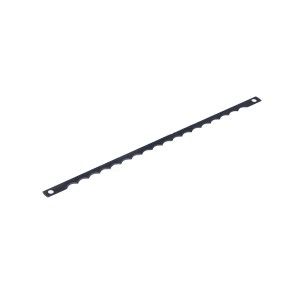
For slicing, portioning and bandsaw work, the blade needs to match the product structure. Frozen food, bone-in meat, bread and vegetable products all respond differently. In many cases, improving the edge geometry solves more than simply changing the steel grade.
Line Conditions Can Shorten Blade Life
Food processing lines are not gentle environments. Moisture, cleaning chemicals, product temperature and continuous operation all affect the blade. A blade used in a wet line may need stronger corrosion resistance. A blade used for frozen product may need more toughness. A blade running at high speed may need better balance and lower vibration.
Machine condition also matters. If a counter blade is worn, a holder is loose or the product guide is misaligned, the new blade will wear faster. In that case, replacing the blade alone may not fix the problem.
Useful Information For A Better Replacement Blade
- Food product being cut and its temperature
- Machine model and blade position
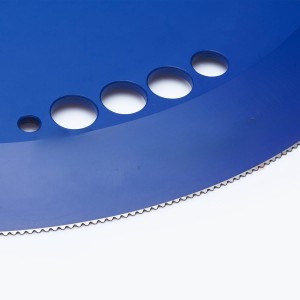
- Blade size, thickness, hole layout and edge type
- Current failure mode: dulling, chipping, bending, rust or poor cut
- Cleaning conditions and whether stainless material is required
- Expected production volume or replacement interval
If the current blade fails too quickly, photos of the worn edge are helpful. Wear marks can show whether the issue is abrasion, impact, corrosion or wrong contact. A drawing tells us the shape; the used blade tells us how the line treats the blade.
How LIJIAN Approaches Food Blade Selection
For food processing customers, we usually start with the product and machine rather than a fixed material list. The goal is to choose a blade that cuts cleanly, lasts long enough, and remains practical for cleaning and replacement. That can mean stainless steel for hygiene, tool steel for wear resistance, or a custom balance when the line has special demands.
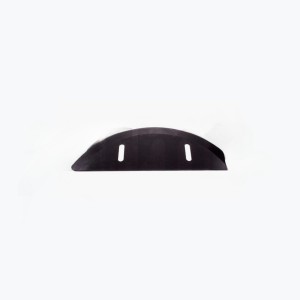
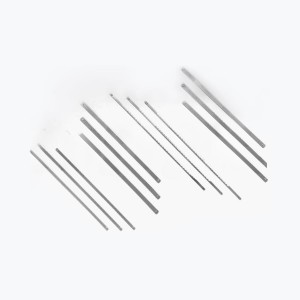
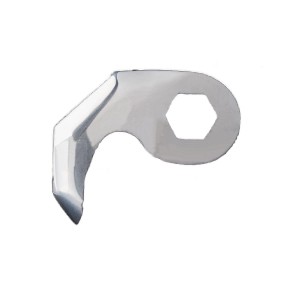
LIJIAN supplies food processing blades, bandsaw blades, circular saw blades, portioning knives and custom food machinery blades made from drawings or samples. For repeat production, we can keep the confirmed specification so future replacement is easier and more consistent.
A good blade is not just sharp on arrival. It should match the food, the machine and the way the factory actually runs. That is the difference between a blade that passes a short test and a blade that belongs on a production line.