
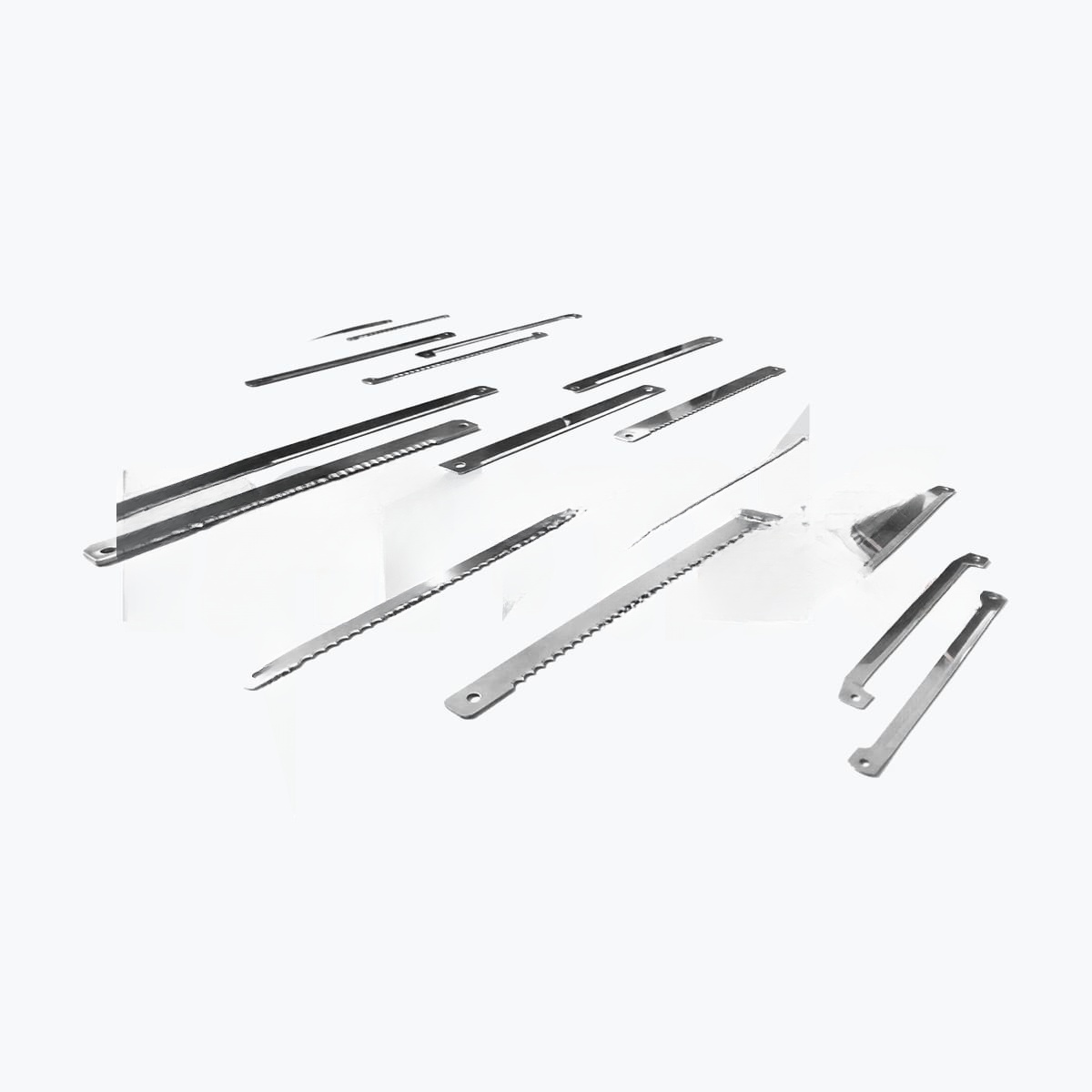
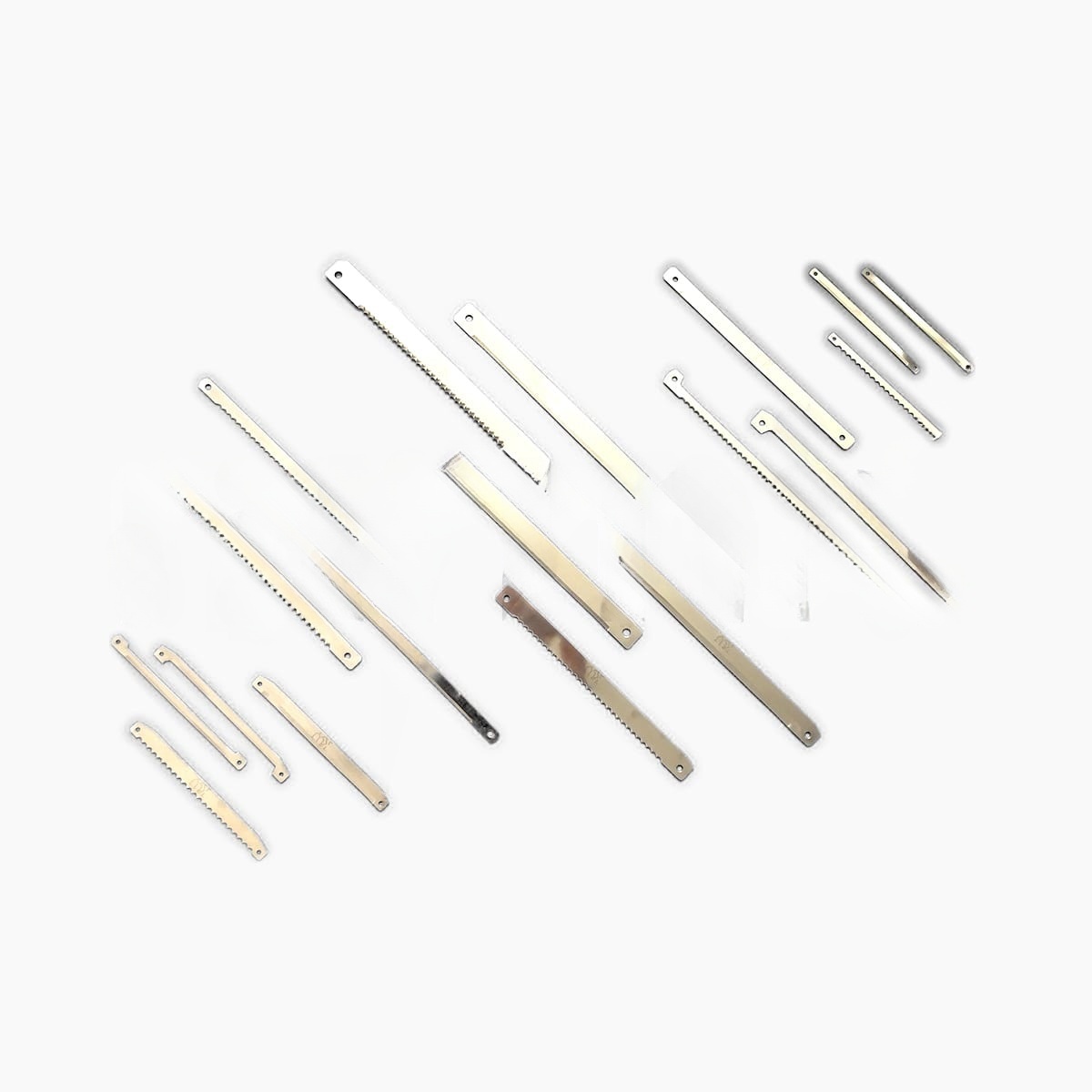
Food Dicer & Grid Blades for Meat, Cheese and Vegetables
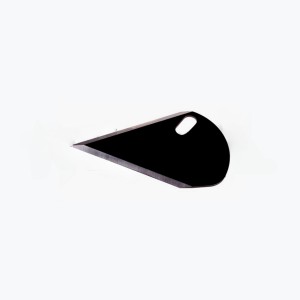
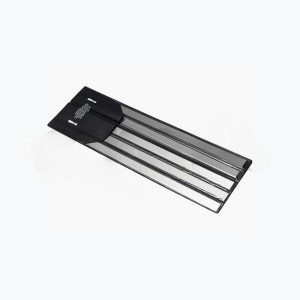
A dicer blade is not selected by sharpness alone. The grid opening, blade thickness, mounting accuracy and product temperature all influence whether a machine produces clean cubes or crushed, uneven pieces. LIJIAN supplies food dicer and grid blades for replacement and custom requirements in meat, cheese, vegetable and other food-processing lines.
For a reliable match, we work from the actual application. A drawing is best, but a used blade, machine information and a complete set of measurements can also help us identify the important geometry before production.
Dicer Blades and Grid Knives for Food Processing
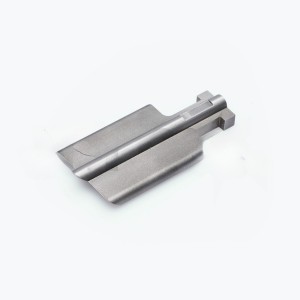
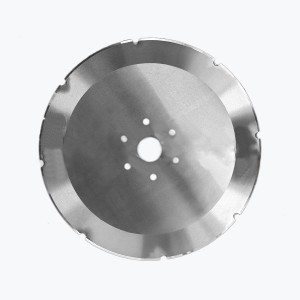
Food dicers do not all use the same cutting arrangement. Depending on the equipment, a slicing knife may first control product thickness, while circular or grid knives and crosscut knives determine the remaining dimensions. Other machines push a product block through a cutting grid. This is why two blades with a similar outside shape may still perform differently once installed.
Our replacement-blade approach is to confirm the cutting sequence and the mating parts, not just copy the overall length and width. This reduces the risk of poor clearance, rubbing, product tearing or premature edge damage.
Typical Products and Cutting Jobs
- Meat and poultry: cubes, strips and portions from fresh, chilled or temperature-controlled product.
- Cheese and dairy products: regular cubes or strips where clean faces and low product drag matter.
- Vegetables and fruit: diced ingredients for prepared-food and further-processing lines.
- Frozen or firm products: applications where impact load and edge support must be considered carefully.
The product name alone is not enough to choose a blade. For example, chilled meat and hard frozen blocks place very different loads on an edge. Tell us the product and its approximate temperature at the cutting point, rather than only asking for “a stainless dicer blade.”
Specifications Needed for a Replacement Dicer Blade
| Information | Why it matters |
|---|---|
| Machine manufacturer and model | Helps identify the cutting arrangement and mounting method. |
| Drawing, part number or used sample | Provides the most reliable reference for geometry and tolerances. |
| Grid opening or required cube size | Defines the target cut and the relationship between grid components. |
| Length, width and thickness | Controls fit, rigidity and clearance. |
| Hole positions, slots and fixing details | Prevents installation and alignment problems. |
| Edge position, bevel and cutting direction | Ensures the blade works in the intended direction. |
| Food product and processing temperature | Guides material, hardness and edge-geometry decisions. |
How We Think About Material and Edge Selection
There is no single “best steel” for every food dicing machine. Corrosion resistance is important in wet and frequently cleaned environments, but wear resistance, toughness and edge stability also matter. A very hard, thin edge can stay sharp in a controlled application yet become vulnerable when it meets bone fragments, hard frozen product or poor machine alignment.
Our practical view is to select the blade around the failure mode. If the existing blade rolls or chips, simply requesting a sharper edge may make the problem worse. We first need to know whether the issue comes from material abrasion, impact, grid interference, incorrect clearance or product conditions.
Common Dicing Problems to Check
- Uneven cube size: check grid spacing, blade alignment, feed stability and worn mating components.
- Crushed or smeared product: check edge condition, product temperature, feed pressure and product build-up.
- Frequent edge chipping: check for impact, excessive hardness, insufficient edge support or contact between parts.
- Short service life: compare the wear pattern with cleaning chemicals, product abrasiveness and operating speed.
- Difficult installation: recheck hole centres, slots, thickness and cutting direction against the original blade.
For more diagnostic guidance, see our article on why food-processing blades wear out.
Custom and Replacement Blade Enquiries
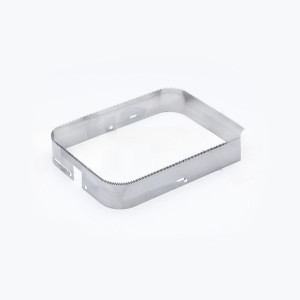
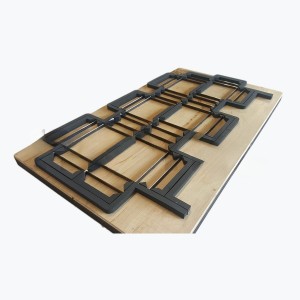
When an original part number is unavailable, send clear photographs of both sides of the blade together with a ruler or dimension sketch. For a grid set, include the opening size, frame dimensions and the way the strips are located. If the current cut quality is poor, photographs of the product defect and the used edge are also useful.
Explore more food processing machine knives and blades, including flaker and frozen cutter blades. For a quotation, contact LIJIAN with your drawing, sample or machine details.
Frequently Asked Questions
Can you make a dicer blade from a used sample?
Yes, a sample can be used as a reference when no drawing is available. The sample should be checked for wear or deformation, because copying a worn dimension can reproduce the original fit problem.
What information is required for a grid blade quotation?
Please provide the machine model, grid opening or target cube size, outside dimensions, strip thickness, fixing details, product type and operating temperature. A drawing or clear sample photographs will make the review faster.
Can one blade material cover fresh and frozen food?
Not automatically. Frozen or temperature-controlled products can create higher impact loads than soft, fresh products. Material, hardness and edge geometry should be reviewed against the real cutting condition.
Why does a new dicer blade still give a poor cut?
The cause may be grid alignment, clearance, feed pressure, worn mating parts or product temperature rather than edge sharpness alone. Checking the wear pattern and the complete cutting set usually gives a better answer.